Battersea Park upholstery cleaning for large sofas: a practical guide for homes that need real results
If you live near Battersea Park and you own a large sofa, you already know the problem: it looks beautiful until everyday life starts to show on it. A few crumbs here, a bit of grey traffic grime there, maybe a coffee mark that seemed minor at first and then never quite left. Battersea Park upholstery cleaning for large sofas is about more than making fabric look brighter. It is about restoring comfort, improving hygiene, and protecting a bulky piece of furniture that usually costs a fair amount to replace.
Large sofas are a different challenge from smaller chairs or occasional cushions. They have deeper padding, wider seams, more surface area, and often more than one fabric type. That means cleaning has to be planned properly, not rushed. In this guide, you will find a clear explanation of how the process works, what methods suit oversized sofas, what to avoid, and how to get the best long-term value from professional upholstery care. If you are comparing options, the right approach can save a lot of hassle. And, to be fair, nobody wants to spend a Sunday afternoon wrestling with a damp corner sofa.
Why Battersea Park upholstery cleaning for large sofas matters
Large sofas are often the centre of a living room. They take the most use, collect the most dust, and usually have the most contact with pets, children, visitors, food, and the occasional late-night takeaway. That makes them one of the most sensible items in the home to clean professionally or very carefully at home. If you leave marks, body oils, and everyday dust sitting in the fibres for too long, the fabric can look dull well before the sofa is actually worn out.
There is also a practical side. A large sofa is not easy to move, air out, or dry. In a Battersea flat, maisonette, or house, space can be tight, and getting around a big corner sofa is not simple. That means the cleaner needs a method that suits the furniture, the access, and the drying time available. One wrong decision, such as using too much water on an absorbent fabric, can lead to slow drying or water rings. Nobody needs that stress.
Clean upholstery also matters for day-to-day comfort. If you sit down and notice a stale smell, dust build-up, or an old stain you have been ignoring, the whole room can feel less fresh. A well-cleaned sofa changes how the space feels. It can lift the room without changing anything else. Small thing, big difference.
For many households near Battersea Park, large sofa cleaning is also part of broader home maintenance. It can sit alongside deep cleaning, regular cleaning, or even an end-of-tenancy refresh when a property needs to look cared for rather than simply tidy. That wider context matters because upholstery does not live in isolation; it is affected by the whole home environment.
How Battersea Park upholstery cleaning for large sofas works
The right cleaning method starts with the fabric. That sounds obvious, but it is where a lot of mistakes happen. A large sofa might be cotton-rich, synthetic, velvet, linen-blend, wool-mix, or a mixed-up combination of several materials. Each fabric reacts differently to moisture, agitation, heat, and cleaning solution. Before any real work begins, a proper inspection should identify the fabric type, the condition of the seams, and any existing stains or weak points.
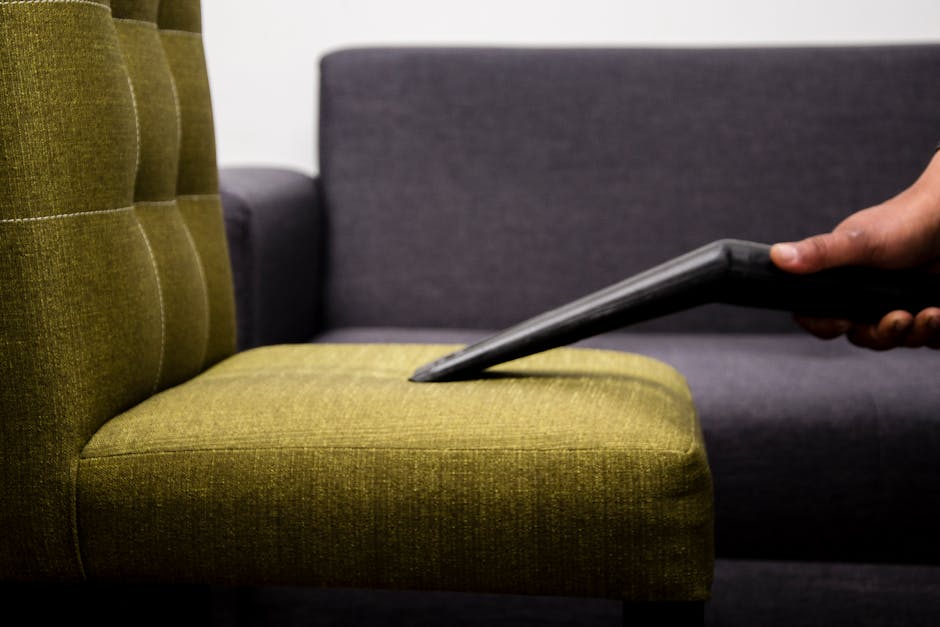
Most professional upholstery cleaning follows a basic sequence. First, loose dirt and debris are removed with careful vacuuming, especially in the creases, under cushions, and along stitching. Next comes pre-inspection and spot testing on a hidden area. Then the fabric is treated with the right solution for the specific marks and soil levels. After that, the main cleaning method is applied, often using low-moisture extraction or controlled steam-based techniques depending on the material. Finally, the sofa is checked again and left to dry with sensible airflow.
Large sofas need patience because surface area changes everything. A standard two-seater might dry fairly quickly, but a big modular sofa can hold more moisture deep in the foam. That is why cleaning technicians usually work section by section and avoid soaking the fabric. The goal is clean fibres, not wet furniture.
In some cases, a service such as sofa cleaning or broader upholstery cleaning is the most sensible route, especially where the sofa is oversized or has a tricky shape. If odour is part of the issue, a targeted treatment may be needed as well, and that is where pet stain odour removal or stain removal can become relevant. One size does not fit all here. Not even close.
Key benefits and practical advantages
The most obvious benefit is appearance. A tired-looking sofa can brighten up dramatically after a proper clean. But there are several other advantages that matter just as much, especially for larger homes or busy households.
- Improved hygiene: dust, skin flakes, crumbs, and general build-up are removed from the fabric and deeper fibres.
- Better smell: soft furnishings can trap odours from cooking, pets, and daily living.
- Longer furniture life: regular care helps reduce fibre damage caused by trapped grit and residue.
- More comfortable seating: a clean sofa simply feels better to use. Less sticky, less stale, more inviting.
- Better presentation: useful if you are hosting guests, preparing a home for sale, or maintaining a rental property.
There is also a money-saving angle. Replacing a large sofa is expensive, and disposal is not always straightforward. Cleaning is often a much more sensible first step, especially if the frame and cushioning are still in good shape. In our experience, many people assume a sofa is "done" when it is really just heavily soiled. That is a costly assumption.
For landlord, tenant, and homeowner situations alike, a cleaned sofa can make the whole room feel more finished. If you are pairing it with house cleaning or a broader one-off cleaning appointment, the visual effect is often much stronger than people expect. You notice it when you walk back in the room. The air even feels lighter. A bit dramatic, perhaps, but true.
Who this is for and when it makes sense
Not every sofa needs the same level of care. Some can be refreshed with maintenance cleaning, while others need more intensive treatment. Large-sofa upholstery cleaning makes particular sense if any of the following sound familiar:
- You have a corner sofa or modular sofa that sees daily use.
- You have pets that sit on the furniture, shed, or leave odours behind.
- You have children and the sofa has become a magnet for spillages and crumbs.
- The fabric looks dull even after vacuuming.
- There are visible marks from drinks, food, or body oils.
- The sofa gives off a stale smell when the room warms up.
- You are moving home and want the living space to feel cleaner and more presentable.
This kind of cleaning also fits well for people preparing for guests, Airbnb turnover, or a property refresh after building work. If the sofa sits in a busy home alongside domestic cleaning or even Airbnb cleaning, the upholstery is often one of the last items to get attention. Which is odd, really, because it is one of the most visible.
It is especially worthwhile if your sofa is large enough that replacing cushion covers is not practical, or if the upholstery has delicate detailing. In those cases, cleaning carefully is far safer than experimental home remedies. You do not want to learn fabric chemistry from a stained armrest.
Step-by-step guidance
If you are planning the job properly, this is the sequence that usually gives the best outcome.
- Check the fabric label or care instructions. This tells you whether the upholstery can handle water-based cleaning, solvent-based cleaning, or only light surface care.
- Vacuum thoroughly. Use a upholstery attachment and work into seams, piping, and gaps between cushions. Large sofas hide a surprising amount of grit.
- Identify stains and problem areas. Make a note of drink marks, greasy patches, pet areas, and any faded sections.
- Test a hidden spot. This is simple, but vital. If colour moves or fabric reacts badly, stop and switch method.
- Apply pre-treatment carefully. Use the least aggressive option first. Let it dwell for the correct amount of time without saturating the fabric.
- Clean in sections. That helps control moisture and keeps the finish even across the sofa.
- Extract or remove residue. Cleaning solution left in the fabric can attract dirt later, so this part matters.
- Dry with airflow. Open windows if suitable, improve ventilation, and keep cushions separated so moisture does not linger.
- Final inspection. Check corners, armrests, and the base edge where grime often collects.
That sequence sounds simple, but the success of the process is often in the tiny details. For instance, the underside of a sofa is easy to ignore, yet dust can build up there and transfer back into the room every time the furniture is moved. Small habit, big effect.
If the sofa is very large or awkward to access, professional support may be the calmer option. A specialist familiar with bulky furniture can work around tight rooms, narrow hallways, and delicate flooring. If you also need help with the rest of the property, it may be sensible to combine the sofa with move in cleaning or move out cleaning. That is especially useful in London flats where time and space are both tight.
Expert tips for better results
Here are the details that usually separate a decent result from a really good one.
- Act quickly on spills. Blot, do not rub. Rubbing pushes liquid deeper and can distort the pile.
- Keep moisture under control. Oversoaking is one of the fastest ways to cause trouble, especially on large upholstered sections.
- Work from the outside of a stain inward. That reduces the chance of spreading the mark.
- Use the gentlest effective method first. It is easier to repeat a light treatment than to undo damage from harsh chemicals.
- Rotate cushions where possible. It helps the sofa wear evenly and stops some areas looking much older than others.
- Ventilate the room well. Drying is part of cleaning, not an afterthought.
- Be realistic about stubborn stains. Some marks improve significantly but do not vanish completely. Honest expectations help.
A little detail that is often overlooked: if the sofa sits near radiators, windows, or a busy walkway, those zones can age faster. Sun fading, dust drift, and heat all leave their mark. So the cleaner is not just dealing with yesterday's spill, but with months or years of tiny wear patterns. That is why a careful inspection matters.
There is also a good reason to think beyond the sofa alone. If a room feels dusty overall, upholstery will keep re-soiling faster. Pairing sofa care with services such as carpet cleaning or steam carpet cleaning can help maintain the whole room more effectively. Dust loves a loop. Break the loop.
Common mistakes to avoid
Large sofa cleaning goes wrong in fairly predictable ways. Once you know them, they are easy enough to avoid.
- Using too much water: this can lead to slow drying, rings, or moisture sitting in the padding.
- Skipping the fabric test: that is the quickest route to colour loss or texture changes.
- Scrubbing aggressively: it may look like progress, but it can damage fibres and spread stains.
- Using the wrong cleaner: some products leave residues or react badly with upholstery finishes.
- Ignoring odour sources: if a smell comes from pets or trapped moisture, surface cleaning alone may not solve it.
- Forgetting the drying stage: cleaning is not finished until the sofa is dry enough to use comfortably.
One more thing. People often clean only the visible centre section and forget the arms, headrests, and seat-front edges. Those are the parts where body oils and contact grime build up fastest. If you only clean the obvious patch, the whole sofa can still look a bit off. Almost clean, which is frustrating.
In a busy home, it is tempting to grab the strongest product under the sink and hope for the best. Let's face it, that is a very human impulse. But upholstery is one of those jobs where patience usually beats enthusiasm. A careful method is worth far more than a brave one.
Tools, resources and recommendations
You do not need a van full of equipment to keep a large sofa in decent shape, but the right tools make a noticeable difference.
| Tool or item | What it helps with | Why it matters for large sofas |
|---|---|---|
| Upholstery vacuum attachment | Routine dust and crumb removal | Reaches seams, creases, and under cushions |
| Soft brush | Loosening surface dust | Useful on textured fabrics without harsh abrasion |
| Microfibre cloths | Blotting and gentle cleaning | Helps control moisture and reduce residue |
| Fabric-safe spot treatment | Targeted stain care | Supports specific marks without over-wetting the whole sofa |
| Dry towels | Absorbing excess moisture | Important when working on wide seat sections |
| Good ventilation | Drying | Large sofas retain moisture longer, so airflow matters |
For households wanting professional help, it makes sense to look for a service that clearly understands upholstery fabrics, drying time, and stain handling. If your furniture is part of a broader home refresh, services such as deep cleaning or one-off cleaning can be a useful match. If your home has other soft furnishings too, curtain cleaning or rug cleaning may also be worth considering so the whole room feels consistent.
It is also sensible to look at practical information before booking anything. Pages such as pricing and quotes, insurance and safety, and health and safety policy help you understand what to expect from a professional provider. That reassurance matters. Especially when the furniture is large, valuable, or difficult to replace.
Law, compliance, standards and best practice
Upholstery cleaning is not usually about complex legal compliance for the customer, but there are still sensible standards to respect. In the UK, good practice means using products safely, following care instructions, and taking reasonable care with fabrics, floors, and ventilation. If you are booking a service, you should expect the provider to work in a way that does not create avoidable damage, unnecessary moisture, or unsafe conditions in the home.
For households and landlords, the most relevant point is duty of care. A cleaner should treat the property responsibly, especially around electrical items, polished floors, delicate wood, or rooms with limited airflow. If a sofa is in a rental property, it is also wise to keep notes or photos before and after treatment, simply as a matter of housekeeping. Nothing dramatic, just sensible record-keeping.
Professional cleaners should also be able to explain limitations plainly. For example, some fabrics are best dry-cleaned rather than wet-cleaned, and some stains can be reduced but not erased. That honesty is a good sign. You want someone who knows the difference between what is possible and what is wishful thinking.
If sustainability matters to you, it can be helpful to review a provider's approach to detergent choice, waste handling, and reuse where appropriate. A page like recycling and sustainability can help you assess whether the company aligns with your expectations. Clean furniture is nice. Responsible cleaning is better.
Options, methods and comparison table
Large sofas can be cleaned in more than one way, and the best choice depends on fabric, condition, and how quickly you need the sofa ready again. Here is a straightforward comparison.
| Method | Best for | Pros | Watch-outs |
|---|---|---|---|
| Light maintenance cleaning | Routine dust, mild dullness | Quick, low disruption, good for upkeep | Not enough for deep staining or odour |
| Spot treatment only | Small isolated marks | Targets a problem area without cleaning the entire sofa | Can leave the rest of the sofa looking uneven |
| Low-moisture professional cleaning | Large sofas, mixed fabrics, moderate soiling | Balanced cleaning with faster drying than heavy soaking | Needs proper fabric knowledge |
| Steam-based or hot-water extraction style cleaning | Durable fabrics and deeper soil | Can remove embedded dirt effectively | Not suitable for every material |
| Fabric restoration-style care | Older sofas or tricky upholstery | Useful when the sofa needs a more cautious approach | May take more time and preparation |
In practice, many households do best with a blended approach: vacuum first, spot treat carefully, then use the least aggressive full-clean method that still gives a proper result. That is usually the sweet spot. If the sofa is part of a larger home clean, combining it with house cleaning or domestic cleaning can also make scheduling simpler, which is often half the battle.
Case study or real-world example
Imagine a family in Battersea Park with a large L-shaped sofa in a bright living room. Over time, the seat nearest the window has faded slightly, the middle cushion has picked up food marks, and the armrest where everyone rests their head in the evening has developed a faint smell of dogs and raincoats. Nothing catastrophic. Just the normal story of a well-used sofa.
They try vacuuming, but the sofa still looks tired. A standard surface wipe improves one mark and makes another patch look worse. So they decide to take a slower, more careful route. The fabric is identified, the stains are tested, and the cleaner works section by section. The seat fronts are treated lightly, the armrests are handled more carefully, and drying time is managed with open windows and airflow. The result is not a miracle, but it is a very noticeable improvement. The room feels lighter, the sofa smells fresher, and the family no longer avoids that corner of the living room. Which, honestly, is often the point.
The practical lesson is simple: large sofas respond best to method, not guesswork. If you respect the fabric and do not rush, you can usually get a much better finish than people expect from a piece of furniture that had started to look beyond help.
Practical checklist
Use this checklist before and after cleaning a large sofa in Battersea Park.
- Check the care label or fabric instructions.
- Vacuum under and between cushions.
- Test any product on a hidden patch.
- Identify stains before starting the full clean.
- Keep moisture low and controlled.
- Allow proper drying time before heavy use.
- Move cushions around if the design allows it.
- Deal with odours, not just visible marks.
- Inspect seams, piping, and armrests closely.
- Pair sofa care with the rest of the room when needed.
Expert summary: for large sofas, the biggest wins come from correct fabric identification, restrained moisture use, careful stain treatment, and decent drying. If you get those four right, the rest becomes much easier. It really does.
Conclusion
Battersea Park upholstery cleaning for large sofas is one of those jobs that pays back in comfort, appearance, and peace of mind. A big sofa is often the busiest seat in the house, so when it starts to look flat, marked, or a bit tired, the whole room feels it. The good news is that a careful clean can make a surprisingly large difference without forcing you into the cost of replacement.
The key is to match the method to the fabric, avoid rushing, and think about the whole furniture piece rather than just the obvious stain. Done properly, sofa cleaning is not just about removing dirt. It is about keeping the home feeling calm, welcoming, and lived-in in the best possible way. And that, let's be honest, is worth a lot on a wet London evening.
If you are ready to restore your large sofa and want a straightforward, professional approach, take the next step with confidence.
Get a free quote today and see how much you can save.
Frequently Asked Questions
How often should a large sofa be professionally cleaned?
For most homes, once or twice a year is a sensible starting point, though busy households, pet owners, and allergy-conscious homes may benefit from more frequent care. If the sofa gets heavy daily use, you will notice buildup sooner than you expect.
Can all large sofas be steam cleaned?
No. Steam or hot-water-based methods are suitable for some durable fabrics but not for every upholstery type. Delicate fabrics, certain blends, and some finishes need a gentler approach. Always check the care instructions first.
Will sofa cleaning remove every stain?
Not always. Fresh stains usually respond better than older ones, and some substances can leave permanent colour changes. A good cleaner should explain what may improve, what may reduce, and what is likely to remain faintly visible.
How long does a large sofa take to dry?
Drying time varies depending on the fabric, cleaning method, room ventilation, and the size of the sofa. Large corner sofas usually take longer than small two-seaters, so proper airflow is important. It is one of those things people underestimate.
Is upholstery cleaning safe for pets and children?
It can be, if the correct products are used and the sofa is allowed to dry properly before use. If you are sensitive to scents or residues, ask questions about the cleaning solution and drying process beforehand.
What should I do before a cleaner arrives?
Move small items away from the sofa, clear side tables if needed, and check for fragile objects nearby. If there are known stains, point them out so the cleaner can focus on them first. That little bit of prep helps more than people think.
Is it worth cleaning an old large sofa?
Often, yes. If the frame is sound and the fabric is not badly worn, cleaning can make an old sofa feel far fresher. It may not make it brand new, but it can make a strong practical difference.
Can odours be removed from large sofas?
Many odours can be reduced significantly, especially if they come from general use, pets, or trapped dirt. However, if the smell is caused by deep contamination or moisture damage, results may be more limited. Honest assessment is essential.
What is the difference between sofa cleaning and upholstery cleaning?
Sofa cleaning usually refers specifically to sofas and settees, while upholstery cleaning covers a wider range of soft furnishings, including chairs, stools, headboards, and other fabric-covered items. The methods overlap, but the scope is broader with upholstery cleaning.
Can I clean a large sofa myself?
Yes, for light maintenance and small surface marks, careful home cleaning can work. But for oversized sofas, stubborn stains, mixed fabrics, or odour issues, professional help is often safer and more effective. Large furniture is unforgiving when things go wrong.
Does cleaning help with allergens?
It can help by removing built-up dust and debris from the fabric surface and folds. It is not a medical treatment, of course, but a cleaner sofa can contribute to a fresher-feeling room, especially when paired with regular vacuuming and general home care.
What if my sofa has multiple fabric types?
Mixed-material sofas need a cautious approach because one section may tolerate moisture while another may not. This is where testing and section-by-section treatment matter. If in doubt, gentle methods are safer than trying to treat the whole piece the same way.