Health and Safety Policy for Cleaners Battersea
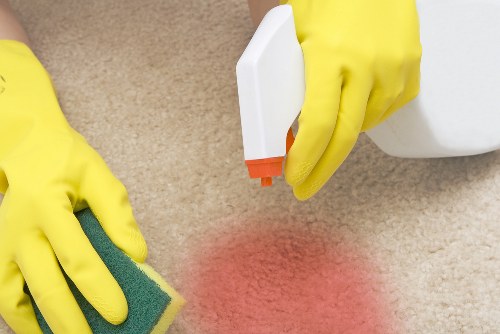 This health and safety policy sets out how cleaners in Battersea can work safely, protect clients, and reduce risks during everyday cleaning tasks. It applies to all domestic and commercial cleaning activities and is designed to support safe cleaning practices, clear responsibility, and consistent standards. Every cleaner, supervisor, and subcontractor is expected to follow this policy and to use sound judgement when carrying out duties.
The main aim is to prevent injury, illness, property damage, and avoidable disruption. Cleaning work can involve slips, chemical exposure, repetitive strain, moving equipment, and lone working. A strong cleaning health and safety approach helps identify hazards before they become incidents. Risk awareness, good communication, and proper training are central to this policy.
 All staff must complete a suitable risk assessment before starting work in any new location or when conditions change. This includes checking floors, lighting, ventilation, access routes, storage areas, and the presence of vulnerable people, pets, or fragile items. If a task appears unsafe, it must be paused until the hazard is controlled. No job is more important than personal safety.
Responsibilities and Safe Working Standards
Managers are responsible for providing safe systems of work, appropriate supervision, and access to reliable equipment and products. Cleaners Battersea teams must be trained to understand manual handling, chemical safety, correct dilution, and safe use of tools and machinery. Workers must take reasonable care for their own safety and that of others, and report hazards promptly.
Every cleaning company or independent cleaner should ensure that equipment is maintained and inspected regularly. Faulty vacuum cleaners, damaged cables, unstable ladders, and broken mop handles can cause serious injury. Equipment must only be used for its intended purpose, and staff should never improvise with tools or take shortcuts that increase risk. Where lifting is required, safe lifting techniques and team assistance should be used.
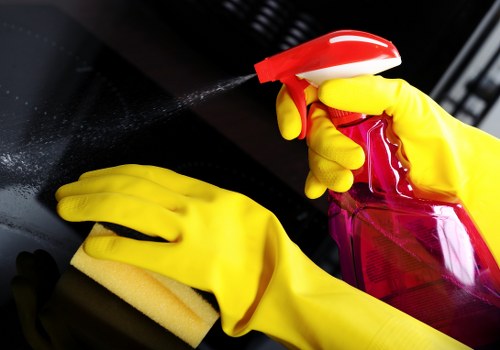 Cleaning products must be stored securely, clearly labelled, and used according to manufacturer instructions. Staff should wear suitable personal protective equipment where required, including gloves, eye protection, masks, or non-slip footwear. Hygiene is also important: hands should be washed after handling waste, chemicals, or contaminated surfaces. These measures support safe and effective cleaning services without unnecessary exposure.
Risk Management and Incident Reporting
Slips, trips, and falls remain one of the most common hazards for professional cleaners. To reduce these risks, floors should be marked when wet, clutter should be removed where possible, and staff should work methodically to avoid crossing freshly cleaned areas. Cords and hoses must be positioned to minimise obstruction. In busy environments, communication with occupants or site users is essential.
Chemical safety is another key area. Staff must never mix products unless instructed, especially bleach-based and acidic cleaners. Adequate ventilation should be maintained when using sprays or strong solutions. If a spill, splash, or exposure occurs, the area should be made safe immediately and first aid should be given where appropriate. This policy supports a safe cleaners Battersea culture by preventing preventable accidents.
Any accident, near miss, unsafe condition, or equipment failure must be reported as soon as possible. Accurate reporting helps identify patterns and prevent recurrence. Managers should review incidents, update risk assessments, and introduce additional controls when needed. All workers are expected to cooperate with investigations and follow corrective instructions in a timely manner.
Training, Welfare, and Emergency Measures
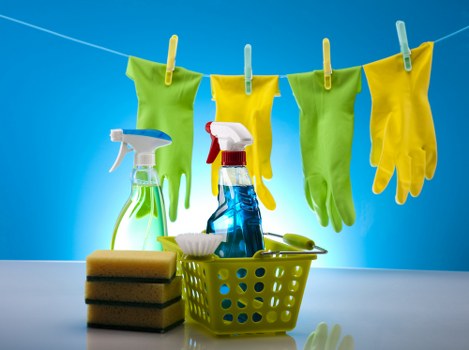 Training must be suitable for the work being performed and refreshed when procedures change. New cleaners should be inducted in site rules, emergency exits, fire arrangements, waste handling, and lone-working expectations. Ongoing supervision helps maintain standards and ensures that health and safety in cleaning remains part of daily practice rather than a one-time instruction.
Welfare matters just as much as task safety. Staff should be given reasonable breaks, access to drinking water, and enough time to complete work without rushing. Fatigue can lead to mistakes, so workloads should be planned sensibly. Where cleaning is done alone, check-in arrangements should be used so that support is available if needed. A good cleaning safety policy also respects dignity, privacy, and professional conduct.
Emergency procedures must be understood by everyone. In the event of fire, injury, aggressive behaviour, flooding, or unsafe building conditions, cleaners should stop work and follow the agreed emergency response. First aid supplies should be available where required, and staff should know how to contact site management or emergency services. Emergency planning is part of a responsible professional cleaning policy.
Review and Continuous Improvement
 This policy will be reviewed regularly to ensure it remains effective, practical, and aligned with current working conditions. Updates may be made after incidents, changes in equipment, new types of premises, or revised cleaning methods. Staff feedback on hazards and controls should be welcomed, as it helps strengthen overall safety performance while keeping the policy clear and workable.
Conclusion: Cleaners Battersea should aim to deliver high-quality results while protecting themselves, clients, and the public. By following safe systems, using proper equipment, reporting concerns early, and maintaining good housekeeping, every cleaner can contribute to a safer working environment. A consistent commitment to health and safety for cleaners supports reliable service, reduced incidents, and better day-to-day working conditions.