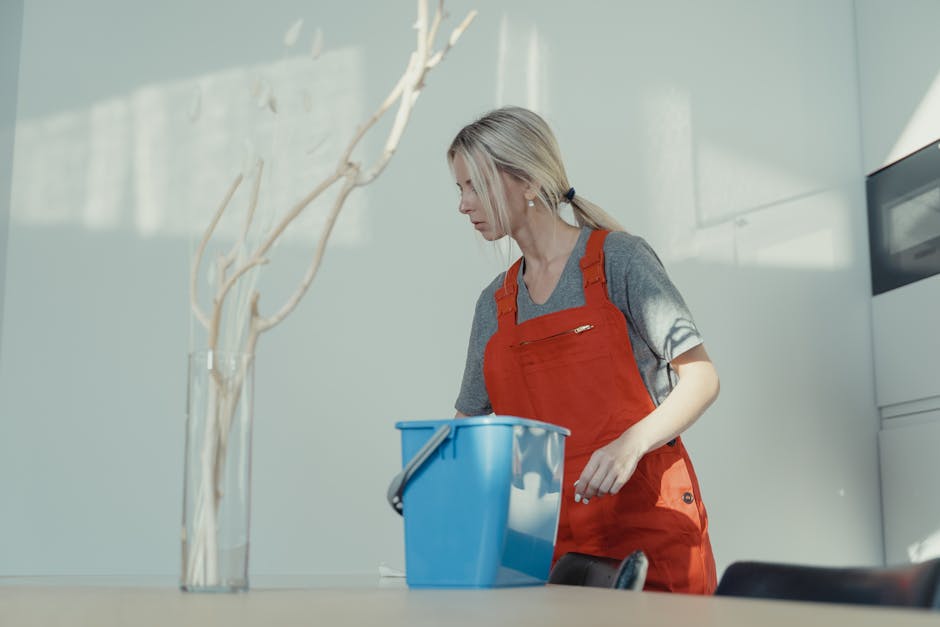
SW11 Domestic Cleaning Tips for Battersea Homeowners
If you live in SW11, you already know that keeping a Battersea home looking fresh can be a bit of a moving target. Busy commutes, riverside dust, pets, children, post-renovation mess, and the usual London grime all seem to arrive at once. The good news? With the right approach, SW11 domestic cleaning tips for Battersea homeowners can save time, reduce stress, and keep your place feeling calm rather than constantly half-finished.
This guide is built for real homes, not showroom ones. You'll find practical cleaning routines, room-by-room advice, sensible product choices, and a few local realities that matter in Battersea flats, terraces, mansion blocks, and family homes alike. Let's face it, a good cleaning plan is much easier to stick to than a heroic "I'll do it all Saturday" promise.
Why SW11 domestic cleaning tips for Battersea homeowners Matters
In Battersea, homes tend to work hard. Some are compact and efficient, some are period properties with beautiful details, and some are modern apartments that collect dust in places you swear did not exist last week. A decent domestic cleaning routine matters because it stops small jobs turning into tiring weekend marathons.
There's also the simple matter of wear and tear. Grit on hard floors scratches finishes. Kitchen grease builds up faster than most people expect. Bathrooms in busy households can turn from "fine" to "why is the mirror like that?" in a few days. Regular attention protects surfaces, keeps rooms more hygienic, and makes the whole house feel lighter. You notice it the second you walk through the door.
For many Battersea homeowners, the challenge is not knowing that cleaning matters. It is knowing what to clean, how often, and in what order. That's where a practical system helps more than vague motivation ever will.
Expert summary: The best cleaning routine for SW11 homes is usually the one that matches your lifestyle, your floor types, your storage, and how much footfall your property gets. Simple beats perfect, nearly every time.
How SW11 domestic cleaning tips for Battersea homeowners Works
Good domestic cleaning is really just a rhythm. Instead of waiting for everything to look messy, you divide tasks by frequency and difficulty. Daily jobs stop visible clutter building up. Weekly jobs handle hygiene and appearance. Monthly or seasonal tasks deal with the deeper layers, like skirting boards, limescale, oven grime, and hidden dust.
In a Battersea home, the approach often changes depending on the property type. A top-floor flat near the station may need more dusting and window care because of traffic and urban dirt. A family house with a garden might need more attention to entrances, hallways, patio doors, and muddy shoes. A pet-friendly home will need extra focus on upholstery, carpets, and odour control. Truth be told, no two homes in SW11 behave exactly the same.
The most effective system usually works like this:
- remove clutter first so you can actually reach surfaces;
- clean from top to bottom so dust falls where you can still deal with it;
- use dry methods before wet ones where appropriate;
- save specialist tasks for the right products or equipment;
- repeat the routine often enough that no area becomes a crisis.
That last point sounds obvious, but it's the one most households struggle with. Cleaning is easier when it is boringly regular. Not glamorous, but effective.
Key Benefits and Practical Advantages
There are clear, everyday advantages to getting your cleaning routine right. A neat home is not just about appearances; it changes how the space feels and functions.
- Less weekend pressure: small sessions are easier to fit around work, school runs, or family plans.
- Better hygiene: kitchens, bathrooms, and high-touch areas stay more manageable.
- Longer-lasting finishes: regular care helps floors, worktops, fabrics, and fixtures stay in better condition.
- Reduced odours: bins, drains, pet areas, and soft furnishings stay fresher.
- More welcoming rooms: guests notice the difference, even if they can't quite explain why.
- Less need for emergency deep cleans: which, frankly, are rarely fun.
There is also a quieter benefit: a cleaner home usually feels easier to live in. You spend less time mentally tracking jobs that have not been done. That can be a real relief, especially in busy households where the washing up seems to multiply overnight. How does that happen, honestly?
For homeowners considering professional help from time to time, regular upkeep also means a service visit can focus on the detailed work rather than basic catch-up. If you want a broader overview of what a scheduled service typically covers, the regular cleaning page is a useful place to compare routine support with one-off visits like one-off cleaning.
Who This Is For and When It Makes Sense
These tips suit a wide range of Battersea homeowners, but some households benefit more than others.
- Busy professionals: if your week is packed, a simple plan stops cleaning from becoming an all-or-nothing job.
- Families: children create crumbs, fingerprints, sticky patches, and an endless supply of "surprises".
- Pet owners: fur, paws, smells, and the occasional accident need regular attention.
- Owners of period homes: older properties often have more nooks, decorative details, and delicate finishes.
- Flat owners: compact homes can look untidy very quickly if clutter is not managed early.
- Landlords or part-time hosts: presentation matters more when guests or new occupants are involved.
It also makes sense if you are preparing for a move, renovating, or simply trying to reset the home after a busy season. In those situations, a deeper reset may be more practical than a normal weekly tidy. Services such as move in cleaning, move out cleaning, or deep cleaning can support the kind of reset that ordinary weekly cleaning cannot always cover.
Step-by-Step Guidance
If you want a routine that actually sticks, keep it simple and repeatable. Here is a practical approach that works well for many Battersea homes.
1. Start with a reset, not a scrub
Pick up clothes, shoes, post, toys, and anything that does not belong in the room. This takes less time than cleaning around clutter, and it makes the room feel halfway done before you even start. Small win. Big difference.
2. Work from the highest surfaces down
Dust shelves, picture frames, tops of wardrobes, curtain rails, and light fittings before touching tables or floors. That way, debris falls down onto areas you have not cleaned yet. It is basic, but it saves rework.
3. Tackle the kitchen in zones
The kitchen usually needs the most disciplined method. Work in this order: worktops, hob, sink, appliance fronts, splashbacks, then floor. If the oven is heavily used, give it separate attention rather than trying to "quick wipe" baked-on residue. That rarely ends well. For more focused support, oven cleaning can be worth considering when grease has moved past reasonable DIY limits.
4. Clean bathrooms with contact time in mind
Spray products and let them sit for a moment before wiping. That short pause helps with soap scum and limescale. Bathrooms often look cleaner after ten careful minutes than after thirty rushed ones.
5. Treat floors by material
Hard floors, carpets, rugs, and laminate all behave differently. Use the wrong method and you can dull a finish, push dirt deeper, or leave a sticky residue. If your home has wood, stone, or engineered flooring, a specialist approach may be better than a one-size-fits-all mop routine. See hard floor cleaning for a more dedicated approach to maintaining sealed or delicate surfaces.
6. Give fabrics a realistic schedule
Soft furnishings collect dust, body oils, pet hair, and the occasional coffee mishap. Curtains, sofas, rugs, and mattresses are easy to forget because they do not shout for attention, but they matter a lot to the overall feel of the home. For stubborn fabric build-up, services like upholstery cleaning, sofa cleaning, rug cleaning, and mattress cleaning can make a noticeable difference.
7. End with floors and a final reset
Vacuum, sweep, or mop last. Then return items to their places and do one quick look around each room. This final pass catches the little things that make a room feel finished rather than merely cleaned.
Expert Tips for Better Results
Here's where a few small habits pay off in a big way.
- Use fewer products, but the right ones. Too many bottles under the sink only create confusion. A good all-purpose cleaner, a bathroom cleaner, a gentle floor cleaner, and a fabric-safe option will handle most jobs.
- Microfibre matters. Good cloths pick up dust instead of pushing it around. They are especially handy on glass, chrome, and polished surfaces.
- Spot-clean before stains settle. Fresh marks are much easier to deal with than dried ones. Coffee, wine, food spills, and pet accidents all follow this rule, annoyingly.
- Keep a small caddy of essentials. If your kit is easy to grab, you are more likely to do the job. Sounds trivial. It isn't.
- Protect high-use areas. Mats near doors, coasters in living areas, and shoe storage at the entrance can reduce dirt spread dramatically.
- Watch ventilation. Open windows briefly when cleaning bathrooms, kitchens, or freshly treated rooms. Fresh air helps with drying and odour control.
One useful local habit is to clean a little more often during wet weather. Battersea homes near busier roads or high footfall routes can pick up more dirt at entrances, and rainy days do not exactly help. A quick hallway vacuum after a muddy day can save you from a much bigger job later.
If you are comparing routine help with more targeted services, it can also be useful to look at domestic cleaning alongside house cleaning. The names sound similar, but the right fit depends on how much coverage you need and how involved you want the service to be.
Common Mistakes to Avoid
Most cleaning problems are not dramatic. They are just small habits that build up.
- Cleaning in the wrong order: if you mop before dusting, you often make more work for yourself.
- Using too much product: more does not always mean cleaner. Sometimes it means sticky residue.
- Skipping the hidden spots: behind taps, under furniture edges, and along skirting boards are easy to miss.
- Ignoring fabrics: soft furnishings can make a room smell tired even when surfaces look tidy.
- Letting clutter linger: if you have to move ten things before cleaning one shelf, the routine will not survive the week.
- Leaving stain treatment too late: the clock matters. Fresh spills are much easier to remove than old ones.
Another common issue is trying to deep clean everything at once. That usually leads to half-finished rooms and a sore back. Better to do one area properly than six areas badly. We've all done the "quick clean" that somehow takes all afternoon, so no judgement.
Tools, Resources and Recommendations
You do not need a cupboard full of specialist kit to keep a Battersea home in decent shape. A well-chosen set of basics is usually enough.
| Tool or item | Best use | Why it helps |
|---|---|---|
| Microfibre cloths | Dusting, polishing, wiping | Lift dust effectively and reduce streaking |
| Vacuum with attachments | Floors, corners, upholstery | Useful for stairs, skirting edges, and fabric surfaces |
| Soft brush | Vents, fixtures, delicate details | Helps remove debris without scratching |
| Bucket and mop | Sealed hard floors | Handy for regular maintenance when used with the right cleaner |
| Fabric-safe spot cleaner | Sofas, rugs, mattresses | Useful for small spills before they settle in |
| Bathroom cleaner | Tiles, taps, sinks | Targets soap film and limescale more effectively |
For homes with carpets, regular vacuuming is the bare minimum, not the whole story. Deep fibre cleaning may be needed occasionally, especially if the carpet sees heavy traffic or has pet use. Depending on the condition of the floor covering, carpet cleaning or even steam carpet cleaning may be the more practical route.
And if a stain has gone beyond a simple spot treatment, it is usually better to use a proper stain removal approach than to scrub harder and hope for the best. Hope is lovely. Scrubbing blindly, less so.
Law, Compliance, Standards, or Best Practice
For domestic cleaning in your own home, the legal side is usually straightforward. There is no special permission required to keep your property clean, of course. But there are still sensible standards and best practices worth following, especially if you hire help or handle cleaning products regularly.
Good practice includes:
- reading product labels carefully before use;
- keeping cleaning chemicals away from children and pets;
- ventilating rooms during and after heavier cleaning;
- wearing gloves if you are handling stronger products;
- using electrical equipment safely around water;
- making sure ladders or step stools are stable before reaching high areas.
If you are hiring a company, trust and safety matter. It is reasonable to ask how cleaners are insured, how they work safely in the home, and what happens if something is damaged. A reputable provider should be comfortable answering those questions clearly. Pages such as insurance and safety, health and safety policy, and terms and conditions exist for a reason: they help you understand the service before anyone starts wiping down your kitchen counters.
If sustainability matters to you, it is also sensible to think about how waste and cleaning materials are handled. Many Battersea homeowners prefer a lighter-touch routine that uses only what is needed, avoids waste, and keeps packaging to a minimum. A service with a visible focus on recycling and sustainability can fit that mindset better than a throwaway approach.
Options, Methods, or Comparison Table
Not every cleaning need should be handled the same way. Sometimes a quick home routine is enough. Sometimes you need a one-off reset. Sometimes professional help is simply the saner choice.
| Method | Best for | Pros | Limitations |
|---|---|---|---|
| Daily tidy and wipe-down | Busy homes and high-use rooms | Fast, cheap, easy to maintain | Won't handle built-up grime or deep dirt |
| Weekly domestic clean | General upkeep | Keeps the home consistently presentable | Still needs occasional deeper attention |
| One-off deep clean | Seasonal resets, pre-events, overdue homes | Catches neglected areas and restores order | More intensive than routine cleaning |
| Specialist service | Carpets, ovens, fabrics, stains, post-build mess | Targets difficult or technical tasks properly | Best used as part of a wider plan |
In practice, many homeowners mix methods. A normal weekly routine keeps the property under control, while specialist visits deal with the jobs that need more equipment or expertise. That's often the sweet spot, to be fair.
For example, after renovations or repairs, after builders cleaning can handle the fine dust and residue that regular household tools just do not manage well. And if you are preparing a rental property or guest stay, end of tenancy cleaning or Airbnb cleaning may be the more relevant option.
Case Study or Real-World Example
Take a typical Battersea two-bedroom flat with hard floors in the hallway, carpet in the bedrooms, a compact kitchen, and one busy bathroom. The owner works long hours and has a small dog. Nothing unusual. Nothing glamorous either.
At first, the cleaning pattern was reactive: a big clean on Sunday, then a slow slide into clutter by Thursday. The hallway picked up muddy prints after evening walks, the sofa collected fur, and the kitchen sink became the place where "I'll deal with that later" went to live.
Once the routine changed, the difference was obvious:
- the hallway got a quick vacuum and floor wipe every other day;
- the kitchen surfaces were cleared nightly and wiped in under five minutes;
- the sofa and rug were vacuumed with attachments twice a week;
- the bathroom was cleaned in one focused session rather than several interrupted ones;
- once a month, the owner booked extra help for deeper fabric and carpet attention.
What changed most was not just appearance. It was the feeling of the home. The flat stopped feeling like a list of unfinished chores and started feeling easy to live in again. Small detail, big emotional payoff. You know the feeling when a room suddenly smells clean and looks brighter? That.
Practical Checklist
Use this checklist as a quick reset for SW11 homes. It is simple on purpose.
- Declutter rooms before cleaning.
- Dust from high surfaces to low surfaces.
- Wipe kitchen worktops, handles, and switches.
- Clean the sink, taps, and splashback in the kitchen.
- Refresh bathroom sinks, toilets, mirrors, and tiles.
- Vacuum carpets, rugs, and fabric furniture.
- Sweep or mop hard floors with the right product.
- Spot-treat marks before they set in.
- Empty bins and check odour hotspots.
- Open a window for a short burst of fresh air.
- Return items to their proper places.
- Schedule deeper tasks weekly or monthly, not only when things look bad.
Quick note: if a room still feels "off" after cleaning, the culprit is often hidden dust, fabric odour, or a floor issue rather than surface dirt. That little hunch is usually right.
Get a free quote today and see how much you can save.
Conclusion
SW11 domestic cleaning tips for Battersea homeowners are most effective when they are realistic, consistent, and tailored to the way your home actually lives. A strong routine does not try to do everything at once. It keeps the basics under control, deals with problem areas before they grow, and brings in specialist help when a job really needs it.
Whether you live in a busy flat, a family house, or a property that sees frequent guests, the aim is the same: a home that feels calm, clean, and easier to enjoy. Not perfect. Just well cared for. And honestly, that's enough.
If you want to compare routine support with deeper or more specialist options, it can help to review the service pages that match your household needs and decide what makes sense for your home, not someone else's idea of ideal.
Frequently Asked Questions
How often should Battersea homeowners clean their homes?
Most homes do best with a daily tidy, a weekly clean for main rooms, and a deeper session monthly or seasonally. Busy homes, pets, and children usually need a little more attention, especially in kitchens and hallways.
What are the most important rooms to clean first?
Kitchens and bathrooms usually come first because they affect hygiene and how the whole property feels. After that, focus on high-traffic living areas and entryways, which collect dust and debris quickly.
What cleaning jobs are easy to forget in a SW11 home?
Skirting boards, behind radiators, curtain rails, light switches, sofa arms, mattress surfaces, and under furniture are often missed. They are not glamorous spots, but they make a big difference to freshness.
Should I use the same products on every floor?
No, that is one of the easier mistakes to make. Hard floors, carpets, laminate, stone, and wood all need different treatment. Using the wrong product can leave residue or damage the finish.
What's the best way to handle pet hair and odours?
Frequent vacuuming, fabric care, and prompt spot cleaning help a lot. For persistent smells or accidents, specialist support such as pet stain odour removal can be a sensible step.
How do I know when I need a deep clean instead of a regular clean?
If grime is building up in corners, appliances, bathroom fittings, or soft furnishings, a regular clean may not be enough. A deep clean makes more sense when the home needs a reset rather than simple maintenance.
Are professional cleaning services worth it for homeowners?
They can be, especially if your time is limited or you need specialist help with carpets, ovens, or fabrics. Many homeowners use professional support for specific tasks and keep everyday cleaning in-house.
What should I ask before hiring a cleaner?
Ask about insurance, safety procedures, what is included, how products are handled, and how complaints are dealt with if something goes wrong. Clear answers usually tell you a lot about the service.
How can I keep my Battersea home cleaner for longer?
Reduce clutter, use mats at entrances, clean little and often, and deal with spills quickly. A tidy routine that takes ten minutes a day is often more effective than a huge clean once in a while.
Do carpets and upholstery need special care?
Yes. Carpets, rugs, sofas, and mattresses collect dust and marks that surface cleaning cannot always reach. For thicker build-up or recurring stains, options like carpet cleaning, upholstery cleaning, and mattress cleaning are often more effective.
What's the biggest mistake Battersea homeowners make with cleaning?
Trying to do everything in one burst and then leaving it too long. Small, repeatable routines almost always beat heroic clean-ups. They're less stressful, less exhausting, and more likely to last.
When should I book specialist help rather than keep DIY cleaning?
If a task needs strong equipment, has become time-consuming, or risks damaging a surface, it is usually worth getting help. That applies especially to ovens, carpets, post-renovation dust, and stubborn stains.